Table of Contents
- – Comprehending the Trauma-Eating Problem Connec...
- – Delaney Smith
- – Brainspotting: Accessing Injury Via Visual Han...
- – Accelerated Resolution Treatment: Rapid Trauma...
- – Specialized Injury Treatment for Narcissistic ...
- – Incorporating Anxiousness Treatment with Eatin...
- – Discovering Specialized Therapy: What to Seek
- – The Path Ahead: Integrated Recovery
Acceptance and Commitment Therapy
When typical talk therapy falls short to address the deep-rooted trauma underlying eating conditions, specialized restorative techniques can offer advancement healing. For individuals fighting with binge eating disorder, anxiety, or the aftermath of conceited abuse, innovative trauma-focused treatments are reshaping recovery results in profound ways.
Comprehending the Trauma-Eating Problem Connection
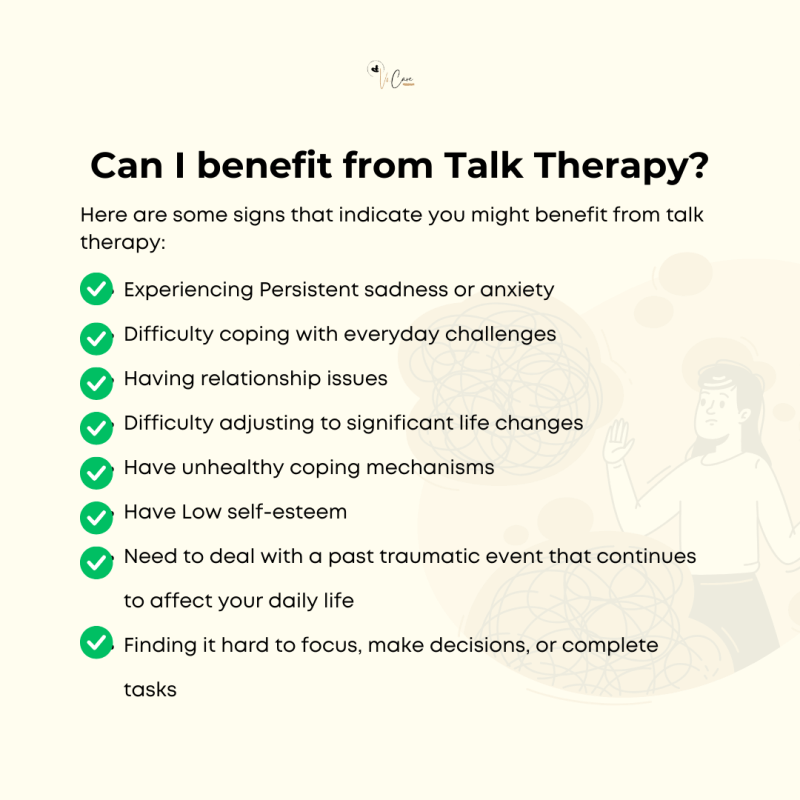
The connection in between stressful experiences and disordered eating patterns runs deeper than many recognize. Research continually demonstrates that people with binge eating condition regularly have histories of complicated trauma, consisting of emotional misuse, conceited relationships, and chronic anxiousness. The brain's response to unrefined injury often materializes through attempts to regulate overwhelming feelings via food-- producing cycles that conventional nutritional strategies alone can not damage.
Injury doesn't just live in our memories. It ends up being encoded in the body and nervous system, triggering automated actions that drive compulsive behaviors. This neurological fact describes why willpower and dish strategies frequently fail without addressing the underlying trauma design. Reliable therapy requires techniques that access and recycle these deeply saved distressing experiences at their neurological source.
Brainspotting: Accessing Injury Via Visual Handling
Brainspotting represents among the most cutting-edge breakthroughs in injury treatment over the past two decades. This approach recognizes that where we look influences exactly how we feel-- and specialists educated in brainspotting use this sensation to aid customers accessibility and process distressing memories stored in subcortical brain regions.
Throughout brainspotting sessions, therapists help clients recognize particular eye placements that correlate with terrible activation in the body. By preserving focused attention on these "" brainspots"" while processing challenging memories or experiences, customers can launch trauma that verbal therapy can not reach. For people with binge eating problem, this method confirms especially valuable since eating disorders usually develop as coping systems for injuries that precede language or mindful memory.
The somatic emphasis of brainspotting makes it particularly effective for injury survivors whose bodies have actually learned to use food for emotional regulation. Instead than intellectually recognizing injury, clients experience straight resolution of the nerves dysregulation that drives compulsive consuming patterns.

Accelerated Resolution Treatment: Rapid Trauma Processing
Accelerated Resolution Therapy (ART) supplies an additional effective tool for injury survivors, especially those worn down by years of processing without development. This evidence-based approach incorporates aspects of eye movement therapy with volunteer image replacement techniques to help customers resolve stressful memories in remarkably few sessions-- usually between one and 5.
What identifies ART from other injury therapies is its emphasis on changing how stressful memories are stored without requiring clients to vocally recount unpleasant details. For survivors of conceited abuse who might really feel embarassment or self-blame around their experiences, this facet of ART treatment offers important mental safety. Clients can heal without re-traumatization through comprehensive narration.
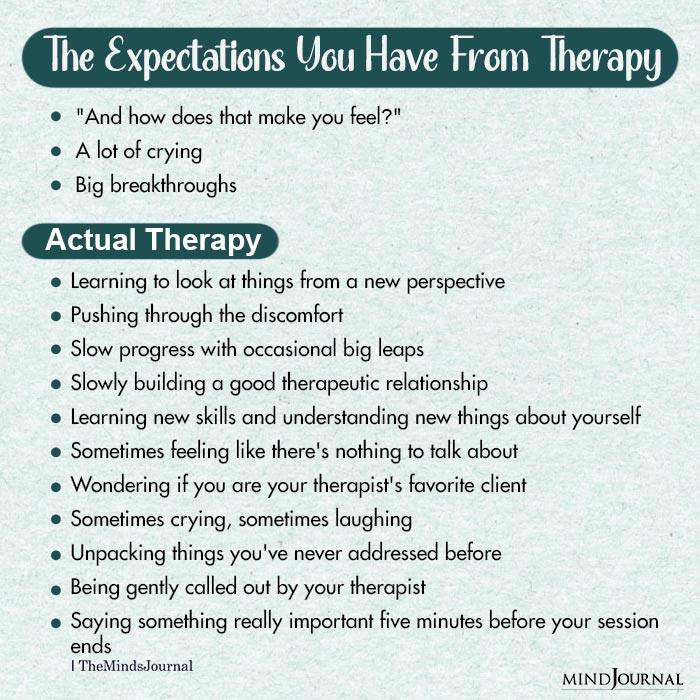
The treatment works by utilizing bilateral eye motions to help with the brain's natural processing systems while the customer concentrates on stressful images or sensations. With led visualization methods, clients after that change distressing imagery with more flexible photos, successfully reprogramming how memories are kept and accessed. This approach has shown specific guarantee for people whose eating disorders developed as responses to relationship injury or psychological abuse.
Specialized Injury Treatment for Narcissistic Misuse Healing
Egotistical abuse creates a special form of complex trauma that standard treatment methods usually have a hard time to deal with successfully. The gaslighting, manipulation, and systematic erosion of self-regard intrinsic in narcissistic connections require specific healing understanding. Several survivors create consuming conditions as they attempt to regain control in partnerships where their fact has been consistently rejected or misshaped.
Trauma-informed specialists who concentrate on conceited misuse recuperation recognize that healing needs greater than processing details occurrences. Survivors need aid reconstructing their sense of fact, reconnecting with their instinct, and creating healthy and balanced borders-- all while dealing with the physiological trauma actions that may manifest as disordered eating, chronic anxiousness, or hypervigilance.
Efficient treatment for egotistical misuse survivors integrates psychoeducation concerning adjustment techniques with somatic techniques that help customers reconnect with their body's wisdom. This combination confirms crucial due to the fact that egotistical misuse specifically targets targets' count on in their very own assumptions and sensations-- the very sources needed for user-friendly consuming and emotional policy.
Incorporating Anxiousness Treatment with Eating Disorder Treatment
Anxiousness and consuming problems exist in a bidirectional relationship, each aggravating the various other in self-reinforcing cycles. Binge eating episodes usually adhere to periods of extreme anxiousness, as food gives short-term remedy for overwhelming anxious system activation. Nonetheless, the consequences of bingeing commonly triggers more stress and anxiety, pity, and physical stress-- bolstering the cycle.
Comprehensive stress and anxiety treatment within injury treatment addresses these interconnected patterns at numerous degrees. Cognitive strategies assist customers recognize and challenge anxiety-driven thought patterns, while somatic strategies educate nerves guideline abilities that lower the demand for food-based coping. Exposure-based interventions slowly increase clients' ability to endure unpleasant emotions without turning to binge consuming.
The most reliable anxiousness therapy for consuming problem recuperation acknowledges that attempting to get rid of anxiousness totally is both difficult and counterproductive. Instead, treatment focuses on creating a much healthier connection with stress and anxiety-- finding out to experience it as details as opposed to emergency situation, and building confidence in one's ability to ride psychological waves without numbing through food.
Discovering Specialized Therapy: What to Seek
Picking a specialist or therapy facility for injury and eating problem recovery needs careful consideration. The most effective companies provide several crucial elements:
- Trauma-informed care that acknowledges eating conditions as adaptive actions to overwhelming experiences instead of mere behavioral problems
- Specialized training in evidence-based injury processing methods like brainspotting or ART therapy
- Understanding of facility trauma presentations consisting of egotistical misuse and developing trauma
- Integration of nerve system regulation strategies together with cognitive and behavioral strategies
- Acknowledgment that healing takes place in partnership, needing restorative attunement and safety and security
- Versatility to adapt treatment pace and techniques to specific anxious system capacity
Carriers like Ebb and Circulation Treatment in Seattle exemplify this comprehensive method, using specialized trauma therapy that resolves the detailed partnerships between past experiences, present consuming patterns, and general psychological well-being. Their concentrate on evidence-based modalities combined with deep understanding of trauma's physical impacts develops conditions for authentic improvement instead than signs and symptom monitoring alone.
Lynnwood, WAThe Path Ahead: Integrated Recovery
Recovery from trauma-related eating problems calls for patience, specialized assistance, and approaches that honor the extensive means injury shapes both body and mind. While the journey demands nerve and dedication, the assimilation of innovative injury treatments offers expect recovery that deals with origin causes rather than surface behaviors.
For individuals all set to move beyond the restrictions of traditional strategies, seeking therapists trained in brainspotting, ART therapy, and egotistical abuse healing can open up new paths to freedom from both traumatic pasts and disordered eating patterns. The mind's remarkable ability for recovery, when supported by proper healing treatment, makes full recuperation not just feasible however progressively potential.

Table of Contents
- – Comprehending the Trauma-Eating Problem Connec...
- – Delaney Smith
- – Brainspotting: Accessing Injury Via Visual Han...
- – Accelerated Resolution Treatment: Rapid Trauma...
- – Specialized Injury Treatment for Narcissistic ...
- – Incorporating Anxiousness Treatment with Eatin...
- – Discovering Specialized Therapy: What to Seek
- – The Path Ahead: Integrated Recovery
Latest Posts
PTSD Recovery with EMDR therapy in Midtown Manhattan
Personal Growth Through Culturally Informed Techniques in Waterloo, Ontario
Incorporating Diverse Clinical Interventions for Holistic Healing
Navigation
Latest Posts
PTSD Recovery with EMDR therapy in Midtown Manhattan
Personal Growth Through Culturally Informed Techniques in Waterloo, Ontario
Incorporating Diverse Clinical Interventions for Holistic Healing